Solana’s Tokenization Market Reaches New Highs
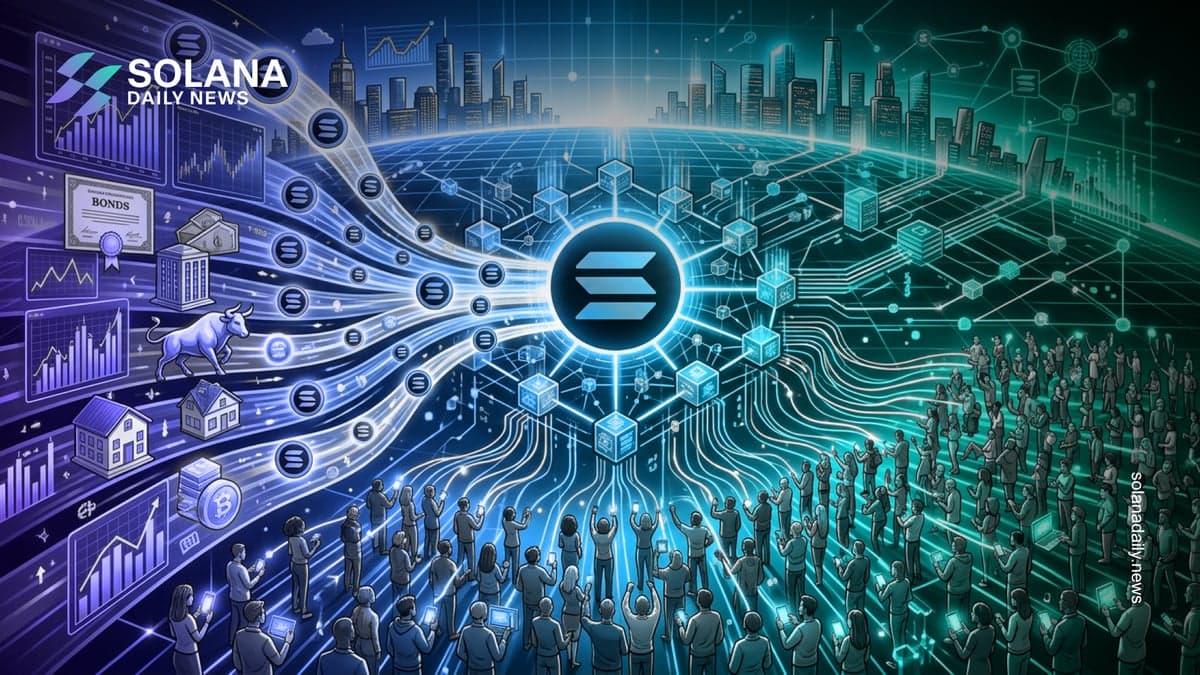
September 2026 brought a series of major developments for tokenized assets on Solana, with equities emerging as one of the network’s fastest-growing real-world asset categories. Tokenized stock supply, holders and trading activity all advanced during the month as financial institutions, developers and market platforms continued moving traditional assets onto blockchain infrastructure.
The month also saw progress beyond equities. Tokenized commodities, funds, deposits and digital infrastructure expanded across the ecosystem, while new regulatory developments in the United States created additional room for experimentation with onchain securities markets.
The broader trend suggests Solana’s tokenization activity is developing across several layers at once, from asset issuance and liquidity to institutional distribution and compliance infrastructure.
Tokenized Equity Supply Hits $780.5 Million
Solana entered September with tokenized equity supply reaching a record $780.5 million on Sept. 1. The milestone highlighted the rapid growth of stock-based assets available through the network.
The following day, SHEIN became available as a tokenized stock on Solana through xStocks after making its debut on the Hong Kong Stock Exchange. The launch demonstrated how traditional-market events can increasingly be connected with blockchain-based representations of equities.
On Sept. 11, Solana also launched Stocklana, a dedicated hackathon focused on tokenized equity applications. The initiative offered more than $100,000 in prizes and ran from Sept. 11 through Sept. 25, giving developers an opportunity to build stock-related products on the network.
Tokenized Stocks Gain Trading Momentum
Trading activity also accelerated during September. Tokenized $GRND stock recorded approximately $31 million in trading volume within less than 24 hours of launching on Solana. That figure was nearly twice the company’s approximately $16.6 million NYSE trading volume from the previous day and above its roughly $25 million average daily volume.
The month also brought new access to tokenized public markets in other regions. On Sept. 14, NectarFi launched the Dangote Petroleum Refinery and Petrochemicals IPO on Solana through its partnership with GetEquity. The offering was described as Africa’s largest public share offering, with investors able to subscribe using stablecoins and a minimum purchase of ₦10,000, or approximately $7.50.
Kraken also introduced xStocks Vaults with Veda, Kamino and Sentora. The product allows users to deposit tokenized versions of assets including $SPYx, $QQQx and $NVDAx and earn yield.
Institutional Funds Move Toward Solana
Solana’s tokenization activity expanded into institutional fund distribution during September. Project Harmonia opened applications on Sept. 16 for tokenized funds, distributors and other ecosystem participants.
The initiative connects Allfunds’ institutional fund distribution network with Solana’s blockchain infrastructure. Allfunds works with more than 3,300 asset managers and financial institutions and has approximately €1.9 trillion in assets under administration.
Through Harmonia, eligible tokenized funds on Solana can seek access to Allfunds’ institutional distribution network. Funds already available through the Allfunds ecosystem can also potentially become accessible through Solana’s infrastructure.
SEC Creates New Tokenization Test Window
Regulatory developments became another major theme during the month. On Sept. 17, the U.S. Securities and Exchange Commission approved a temporary, conditional Innovation Exemption covering certain tokenized stock trading activities.
The framework provides eligible permissioned Tokenized Securities Venues with a five-year window to test certain onchain securities-market structures under defined conditions. The framework can allow automated market makers and liquidity pools to be used for certain National Market System stocks without those venues being treated under the traditional exchange definition.
The development added an important regulatory component to the growth of tokenized equities, as blockchain networks and financial platforms continue experimenting with new ways to issue and trade securities. SEC Innovation Exemption information
Digital Infrastructure and 24/7 Markets Expand
Dawn Internet also introduced its USD.infra Vault in September, connecting eligible non-U.S. participants with real-world digital infrastructure opportunities. The product combines stablecoin liquidity with deployments involving AI compute and wireless connectivity networks.
On Sept. 23, blockchain technology and the New York Stock Exchange announced a partnership to explore global 24/7/365 trading of tokenized U.S. stocks and ETFs. The planned digital alternative trading system could eventually provide access to tokenized securities for more than 44 million Blockchain users.
That same day, Solana surpassed 1 million tokenized equity holders for the first time. The network later reached almost 1.3 million tokenized equity holders, showing that growth was occurring not only in asset supply and trading volume but also in the number of participants holding tokenized equities.
Tokenized Deposits and Commodities Add Momentum
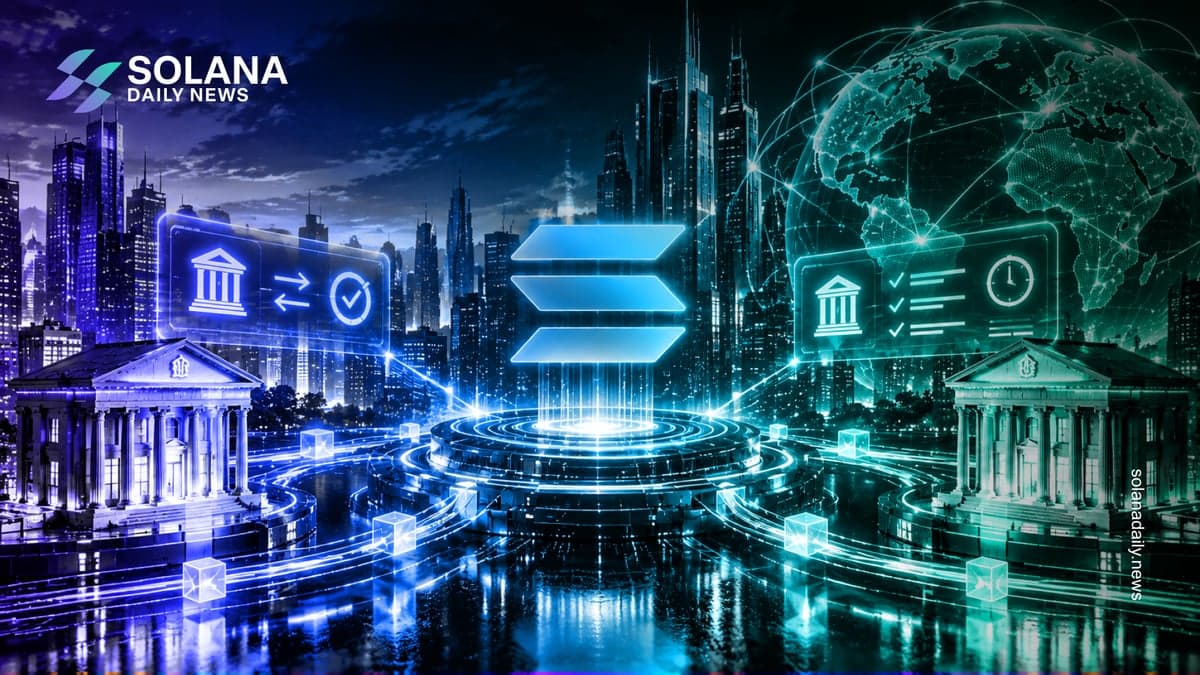
Traditional financial institutions also continued testing blockchain-based settlement. On Sept. 24, Lloyds, NatWest and Barclays completed interbank transactions using tokenized deposits, while HSBC and other banks conducted additional peer-to-peer payment tests.
The banks used tokenized deposits in two mortgage transactions, providing another example of how blockchain infrastructure can be used for settlement between regulated financial institutions.
Later in the month, Raydium crossed $6 billion in cumulative tokenized stock trading volume. On Sept. 28, Solana also overtook Robinhood to become the leading blockchain for weekly tokenized commodities spot trading volume for the first time.
Metaplex Adds Compliance Controls for RWAs
Solana’s tokenization infrastructure also gained a new standard for permissioned assets. On Sept. 29, Metaplex introduced MPL-3643, designed for permissioned real-world assets and tokenized securities.
The standard includes controls such as transfer restrictions, lockups, verified-wallet access and jurisdictional limits. These features are designed to help issuers combine blockchain functionality with requirements that can apply to regulated securities and other restricted assets.
The development reflects a broader direction for tokenized assets: public blockchain infrastructure can provide composability and liquidity while permissioning tools can help issuers apply restrictions where required.
September Shows the Scale of Solana’s RWA Growth
Across the month, tokenized equities remained the largest driver of Solana’s real-world asset activity. The network recorded approximately $4.25 billion in tokenized-equity spot trading volume during September, while tokenized commodities generated about $264.6 million in spot volume.
Data shared by Solana also showed that holders across RWA products had increased fivefold over the previous year, with tokenized stocks accounting for 98% of the increase since April. Solana’s ecosystem and tokenization infrastructure
The growth has also created new communities around tokenized equities. Vida Global developed an investor-facing page for its tokenized VIDAx stock on Solana, tracking holders, trading volume, onchain activity and the amount of stock locked in liquidity pools.
Solana’s Tokenization Ecosystem Enters a New Phase
September’s activity shows how Solana’s tokenization ecosystem is expanding beyond individual asset launches. Tokenized equities, commodities, funds, deposits and digital infrastructure all gained traction, while institutional partnerships and regulatory developments added new layers to the market.
With tokenized equity supply reaching $780.5 million at the beginning of September, tokenized equity holders surpassing 1 million later in the month and monthly spot trading volume reaching billions of dollars, Solana’s RWA market continued to scale.
The combination of asset issuance, onchain liquidity, institutional distribution and compliance infrastructure is creating a broader foundation for tokenized financial markets. September’s developments suggest that Solana’s tokenization story is increasingly moving from individual experiments toward a wider market infrastructure ecosystem.