Samsung Wallet Plans USDC Transfers on Solana
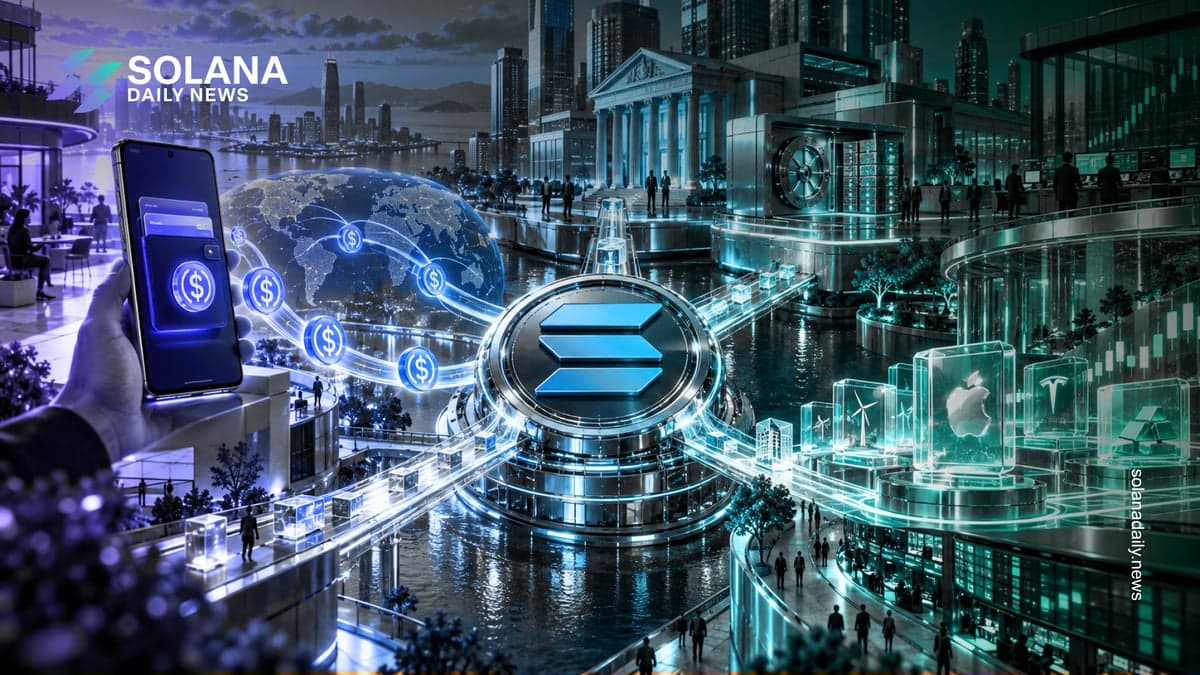
One of the week's biggest developments was Samsung's planned integration of USDC transfers through Samsung Wallet for users of its Galaxy devices in the United States. The initiative could bring blockchain-based payments to a large consumer audience, with the coverage highlighting approximately 82 million U.S. Galaxy devices.
USDC is a stablecoin designed to maintain a value close to one U.S. dollar. Using it for transfers could allow eligible users to send dollar-linked digital assets without relying exclusively on traditional bank-transfer systems. Solana's transaction infrastructure provides the blockchain network for the planned transfers.
The announcement places consumer payments at the center of Solana's adoption story. However, the reported device reach should not be interpreted as 82 million active crypto users or confirmed users of the new feature. Actual adoption will depend on availability, user eligibility and how Galaxy customers choose to use the service.
Solana Introduces an Institutional Settlement Initiative
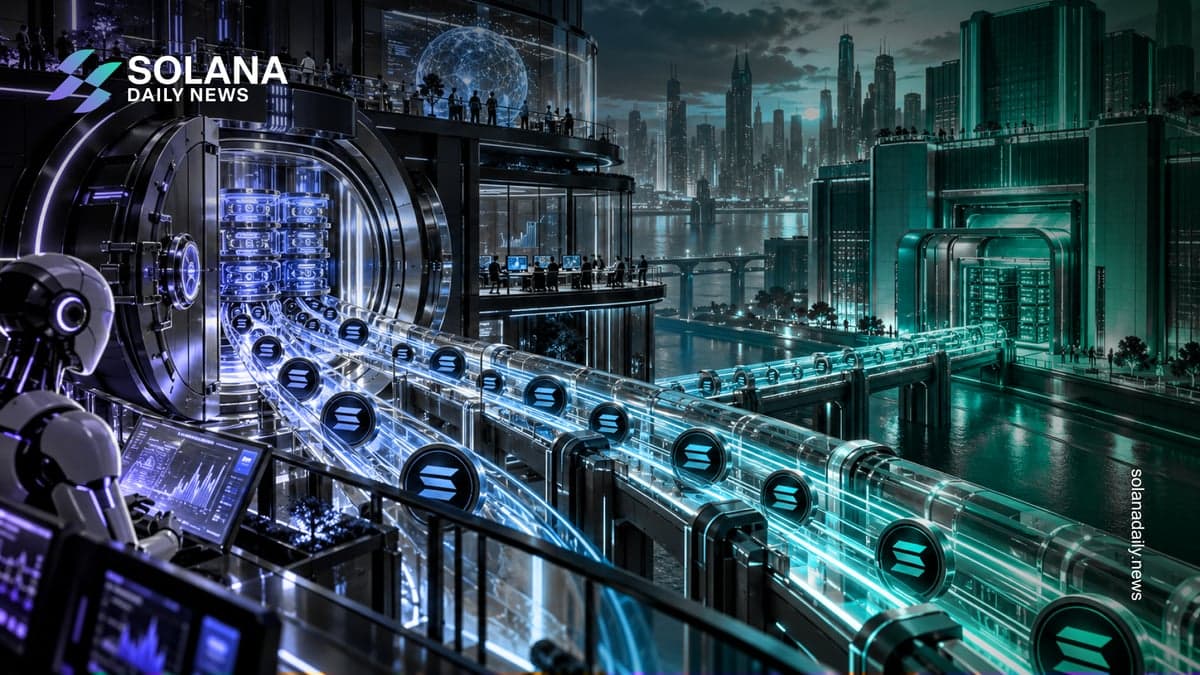
Solana also moved to strengthen its position in institutional finance with a new delivery-versus-payment (DvP) settlement initiative. The program is designed to help institutions exchange tokenized assets and cash as part of a single transaction, reducing the risk that one side completes a transfer while the other does not.
The initiative included input from JPMorgan. DvP is a settlement approach used in financial markets to link the delivery of an asset with its payment. Applying this structure to tokenized assets could help institutions coordinate transactions through blockchain infrastructure while maintaining a clear relationship between payment and delivery.
The development reflects a broader push to make blockchain-based financial transactions more practical for institutions. Its longer-term significance will depend on implementation, participating organizations and how the settlement framework fits into existing financial processes.
Tokenized Stocks Expand Access to Traditional Markets
Tokenization remained another major theme during the week. Securitize launched tokenized stock trading for U.S. investors, bringing blockchain-based representations of traditional securities into focus. Tokenized stocks can represent economic exposure to conventional assets through digital tokens, although the rights attached to each product depend on its specific legal and operational structure.
The development also featured in media coverage involving Securitize CEO Carlos Domingo, who discussed the rollout. Solana Foundation President Lily Liu separately highlighted global access to U.S. assets as a core value proposition for blockchain technology.
Tokenization aims to connect traditional financial assets with digital infrastructure, potentially supporting new ways to transfer, manage and access them. Still, tokenized stock products should not automatically be treated as identical to directly held shares. Investors need to understand the legal rights, custody arrangements, trading restrictions and redemption terms associated with each offering.
Solana Moves Toward Faster Block Times
Network performance was another important topic. Solana was approaching a planned upgrade intended to reduce block times toward 200 milliseconds. Shorter block times could allow the network to process updates more frequently, improving responsiveness for applications that depend on rapid transaction confirmation.
The proposed target is a technical milestone rather than a guarantee that every transaction will achieve final settlement in 200 milliseconds. Network performance can depend on congestion, validator behavior and the distinction between producing a block and reaching transaction finality.
Faster block production could be relevant to trading applications, payments and other services that benefit from rapid on-chain updates. The practical impact will depend on the upgrade's implementation and how applications perform under real network conditions.
Orca and Loopscale Combine Around New Financing Markets
Solana's DeFi ecosystem also saw a strategic development as decentralized exchange Orca merged with Loopscale. The planned direction includes financing opportunities connected to artificial intelligence, robotics and defense.
The combination points to an effort to connect blockchain-based financial infrastructure with sectors that may require new forms of capital access. Orca is known for decentralized token trading, while Loopscale has focused on on-chain credit and lending infrastructure.
The merger's potential impact will depend on the products eventually introduced, how capital is deployed and whether users adopt the resulting services. The announcement alone does not establish future financing volumes or commercial success.
Research Highlights Stablecoins and Tokenization
The week's media coverage also explored broader questions about blockchain adoption. Solana's September intelligence roundup discussed projects and developments involving Open USD, USDv and Project Harmonia, offering a wider view of activity across its ecosystem.
In podcast discussions, Talking Tokens examined why banks may face risks by ignoring stablecoins, while Solana Is Global explored financial instruments designed for markets built around beliefs and predictions. Other interviews covered institutional tokenization, the Corda protocol, Solana events and the industry's consumer-facing shift.
These discussions reflect a common theme: blockchain networks are being evaluated not only as platforms for cryptocurrency trading but also as infrastructure for payments, tokenized assets and financial applications. Their eventual reach will depend on regulation, security, usability and integration with existing systems.
What This Week's Developments Mean for Solana
The developments from October 2–8 highlight several distinct areas of Solana's expansion: consumer stablecoin transfers, institutional settlement, tokenized securities, network performance and DeFi financing. Each addresses a different part of the blockchain adoption process, from making digital assets easier to use to building infrastructure for professional financial markets.
Samsung's planned USDC integration could bring blockchain payments closer to mainstream mobile users, while the institutional settlement initiative and tokenized stock rollout focus on financial-market applications. The planned 200-millisecond block-time target addresses network performance, and the Orca–Loopscale combination explores new directions for on-chain financing.
These announcements represent ongoing projects and planned developments, not proof that widespread adoption has already occurred. Their longer-term impact will depend on actual launches, user participation, technical execution and regulatory requirements. Together, however, they show how Solana's ecosystem is pursuing consumer, institutional and infrastructure use cases at the same time.